





In many countries, elections represent hope. They are moments when citizens gather to decide the future of their nation. But the current Colombia election season is unfolding under troubling circumstances that have drawn global attention.
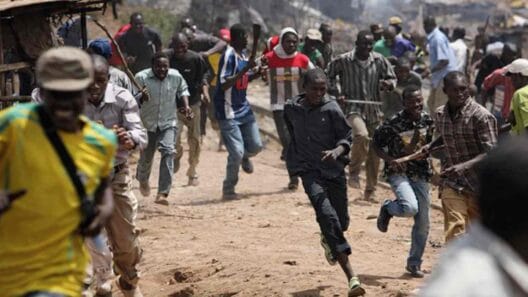
According to reports published by Punch Newspapers, at least 61 political leaders have been killed during the ongoing Colombia election campaign. In addition, a presidential candidate was assassinated, deepening concerns about safety and stability ahead of voting.
The scale of violence surrounding the Colombia election has raised serious questions about how democracy functions when fear overshadows participation. Elections are meant to empower citizens. Instead, in some regions, they have become moments of heightened risk.
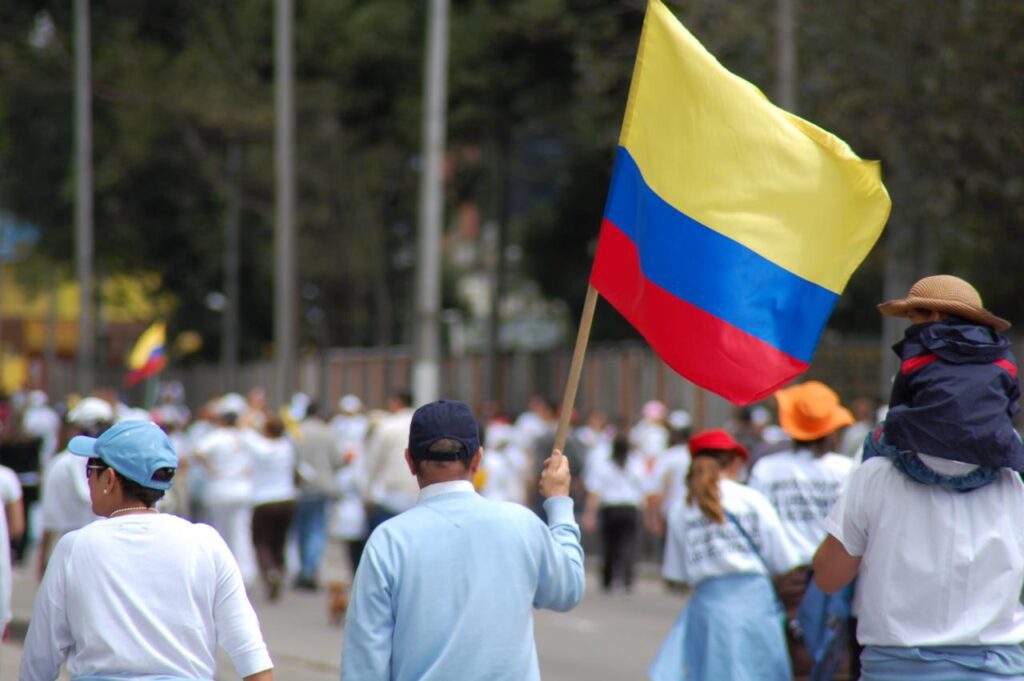
Political violence is not new to Colombia. The country has faced decades of internal conflict involving armed groups and political tensions. Although peace agreements in recent years aimed to reduce bloodshed, the current Colombia election shows that stability can still be fragile.
When political leaders are targeted, the impact extends beyond individual lives. It discourages aspiring leaders from stepping forward. It creates fear within communities. It undermines trust in the electoral process. And it sends a message that participation in public life may come with dangerous consequences.
The Colombia election is a reminder that democracy is more than ballots and campaign rallies. It depends on safety, fairness, and protection for those who choose to serve. Without security, the right to vote loses some of its meaning.
Globally, this situation also invites reflection. Around the world, political tension has increased in recent years. While not every country experiences violence at this scale, many struggle with polarisation, hostility, and threats against public officials. The Colombia election highlights what can happen when divisions escalate unchecked.
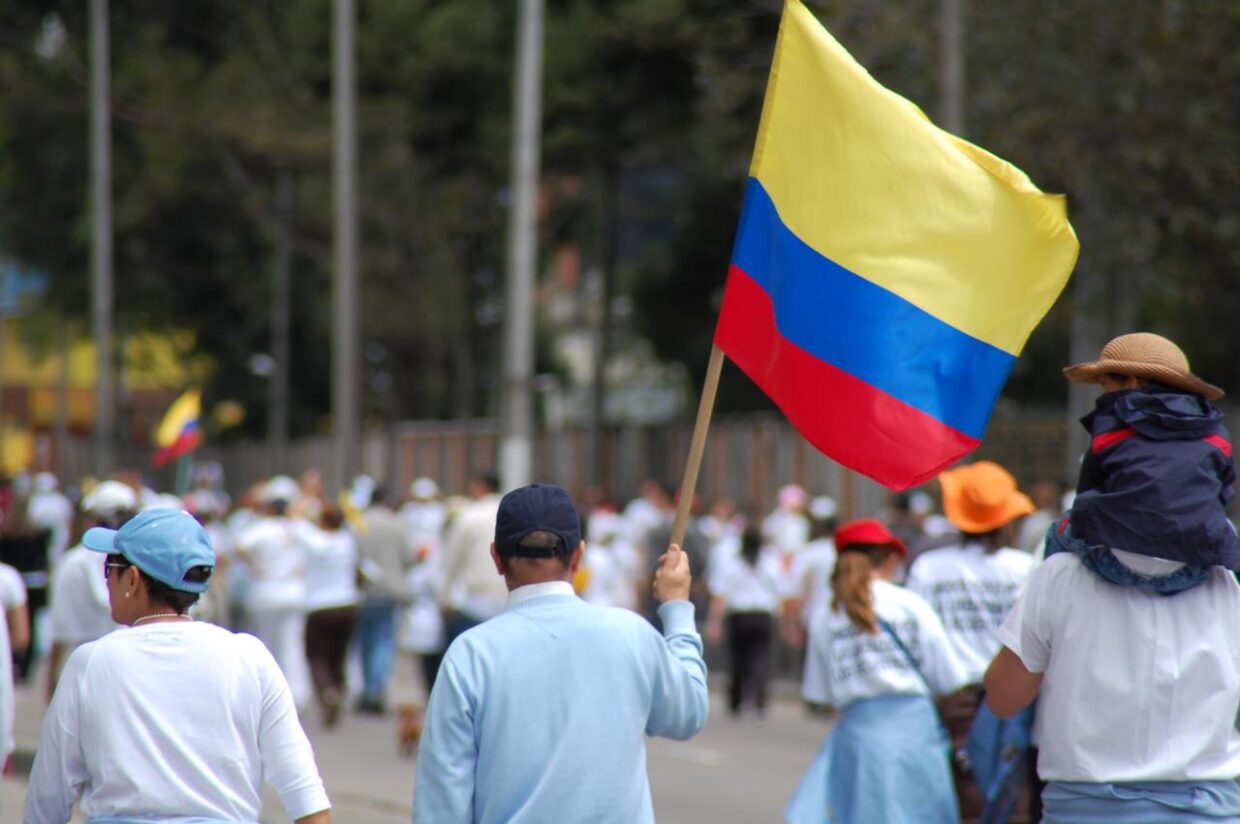
At the same time, it is important to acknowledge resilience. Despite the risks, many Colombians continue to participate in the political process. Candidates campaign. Citizens engage in discussions. Communities push for reform. That persistence reflects a belief that democracy is still worth protecting.
As we observe the Colombia election from afar, the lesson is clear. Democracy cannot survive on intention alone. It requires protection of human life, respect for differing views, and systems strong enough to withstand pressure.
When 61 political leaders are killed in a single election season, it is more than a national issue. It is a global reminder that democratic participation must never be taken for granted.