







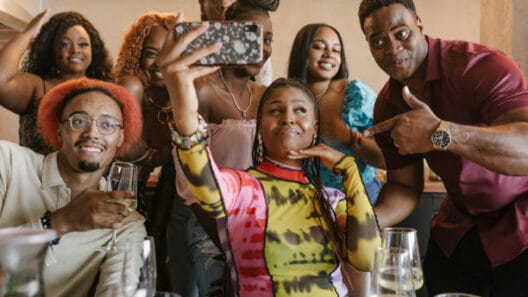

Love has always been complicated, but in this generation, it feels like relationships are breaking faster than they are being built. Everywhere you look, people are talking about heartbreak, situationships, confusion, and disappointment. The conversations around relationship struggles grow louder every day, and the truth is, many of us are feeling it firsthand. The idea of lasting romance feels rare, almost like something only lucky people stumble into. But why is love failing so much today, even when we have more knowledge, more freedom, and more access to connection than any generation before us?
Part of the answer lies in the world we now live in. Everything is fast. We want fast success, fast attention, fast validation, and fast results. Unfortunately, we now also want “fast relationships.” When something goes wrong, when someone annoys us, when there is a misunderstanding or a moment of discomfort, instead of staying to fix it, many people simply exit.
The moment our expectations aren’t met immediately, we begin imagining someone better. Instead of working through relationship struggles, we treat relationships as “replaceable“. Patience has been replaced with convenience, and commitment has been replaced with options.
Even the celebrity world reflects this shift. Couples we once admired fall apart in real time. Marriages collapse after only a few years. High-profile relationships that look perfect online crumble behind the scenes. Famous couples like these remind us of something important. Money, influence, beauty, and fame do not protect anyone from relationship struggles. These breakups only show how fragile modern love has become, especially when pressure and public expectations are involved.
But beyond the public eye, there is a deeper issue affecting almost everyone. Social media has quietly become one of the biggest reasons relationships fail. We spend so much time online comparing our love lives to carefully curated highlight reels. We see “perfect” couples posting vacation photos, romantic dates, and flawless moments, and we start to believe something is wrong with our own relationship if it doesn’t look like that every single day. People now feel pressured to look happy rather than do the real emotional work to be happy. And because of this, relationships begin to crumble under unrealistic expectations.
Another quiet contributor to relationship struggles is emotional baggage. Many of us were never taught how to communicate, how to apologize, how to be vulnerable, or how to express our needs without sounding demanding. Some people grew up around toxic relationships, so chaos feels familiar and peace feels suspicious. Others experienced abandonment or rejection, so they fear getting too close to anyone.
As a result, they sabotage relationships that could have been healthy simply because they don’t know what to do when real intimacy shows up.
Situationship culture has also changed everything. People want all the benefits of relationships without the responsibilities. They want the companionship, the intimacy, the attention, and the emotional closeness, but they avoid commitment. This “no labels, no pressure” lifestyle sounds easy at first, but it ends up creating insecurity, misunderstandings, and emotional exhaustion. Someone always ends up catching feelings, someone always gets confused, and someone always ends up hurt. Situationships are the perfect example of “relationship struggles disguised as freedom.”
And then comes the question people often debate. Which gender ends relationships more? The truth is, both do, but for different reasons.
Many women leave because they feel unheard, unsupported, or emotionally neglected.
Many men leave because they feel judged, overwhelmed or unable to meet unrealistic standards.
At the core of most breakups is one simple truth. The relationship no longer feels emotionally safe. When emotional safety is gone, the end becomes inevitable.
There will be days when boundaries are crossed, feelings are hurt, and misunderstandings make you question everything. You will have moments when you feel unloved, unseen, or unimportant. Mistakes will happen, triggers will show up, and sometimes the person you care about will disappoint you. But these moments are not proof that the relationship is failing. They are proof that two imperfect humans are trying to love each other while carrying their own fears, flaws, and histories. What matters is not the mistake, but the willingness to repair, to listen, and to rebuild safety again.
Still, the biggest reason relationships fail today is effort. Or, better said, the lack of it. Our generation is tired. Tired from work. Tired from life. Tired from unhealed emotional wounds. Tired from past disappointments. We want relationships that feel good without requiring work. We want love that never goes through imperfect seasons. We want partners who never trigger our insecurities. But real connection doesn’t work that way. “Love requires effort“. It requires choosing each other daily. It requires having difficult conversations instead of avoiding them. It requires communication, patience, and emotional maturity.
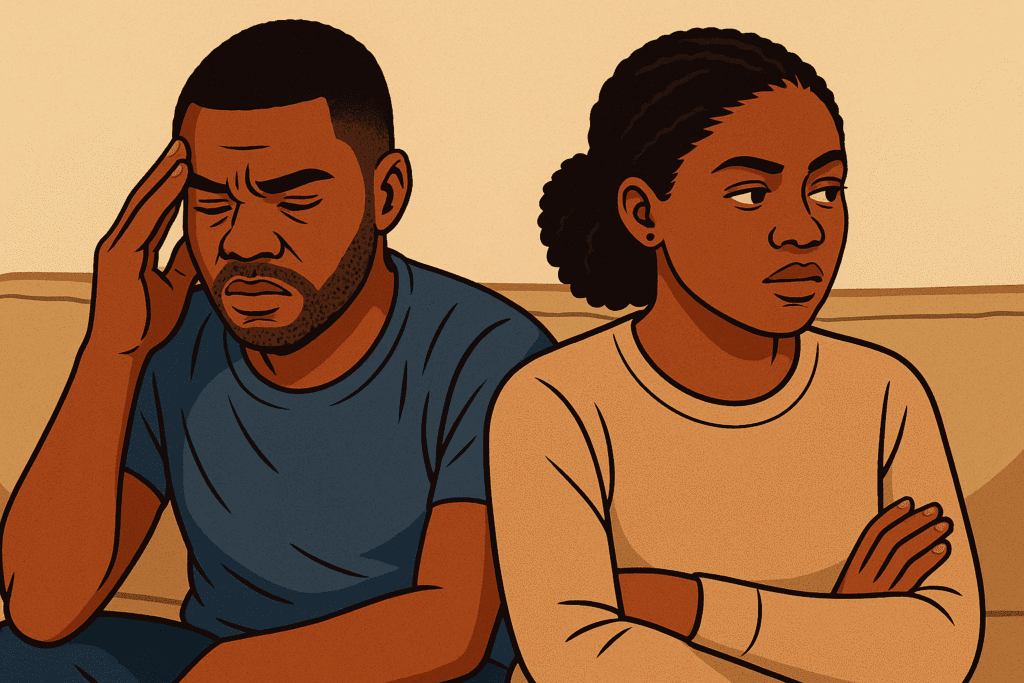
Imagine this scenario. A couple who once talked for hours now barely speak. The girl stops replying quickly because she is overwhelmed, but doesn’t know how to say it. The guy pulls back emotionally because he feels unwanted, but doesn’t know how to express it. Each one assumes the other no longer cares. The distance grows quietly. The love fades silently. And then one day, the breakup happens — not because they stopped loving each other, but because they stopped understanding each other. This is how many relationship struggles begin today, not with fights, but with silence.
So what can we do differently?
First, we need to slow down. Love cannot survive at speed. Second, we need to normalize imperfections. A rough week does not mean the relationship is damaged. Sometimes it simply means two people need to adjust and grow. Third, we must learn to communicate with honesty instead of assumptions. And finally, we must stop expecting relationships to complete us. Healthy love is built by two whole individuals, not two wounded hearts looking for someone to fix their pain.
Healthy relationships still exist today. They just don’t always look like Instagram. They are built on consistency, not intensity. Communication, not guessing. Accountability, not blame. And two people who choose each other even on days when it feels complicated.
Love in this generation is not dead. It is simply hidden beneath fear, unrealistic expectations, and emotional unhealed wounds. Those who are willing to do the work will still experience a deep, safe, and lasting connection. The kind of love that stays. The kind of love that grows. The kind of love that feels like home.