







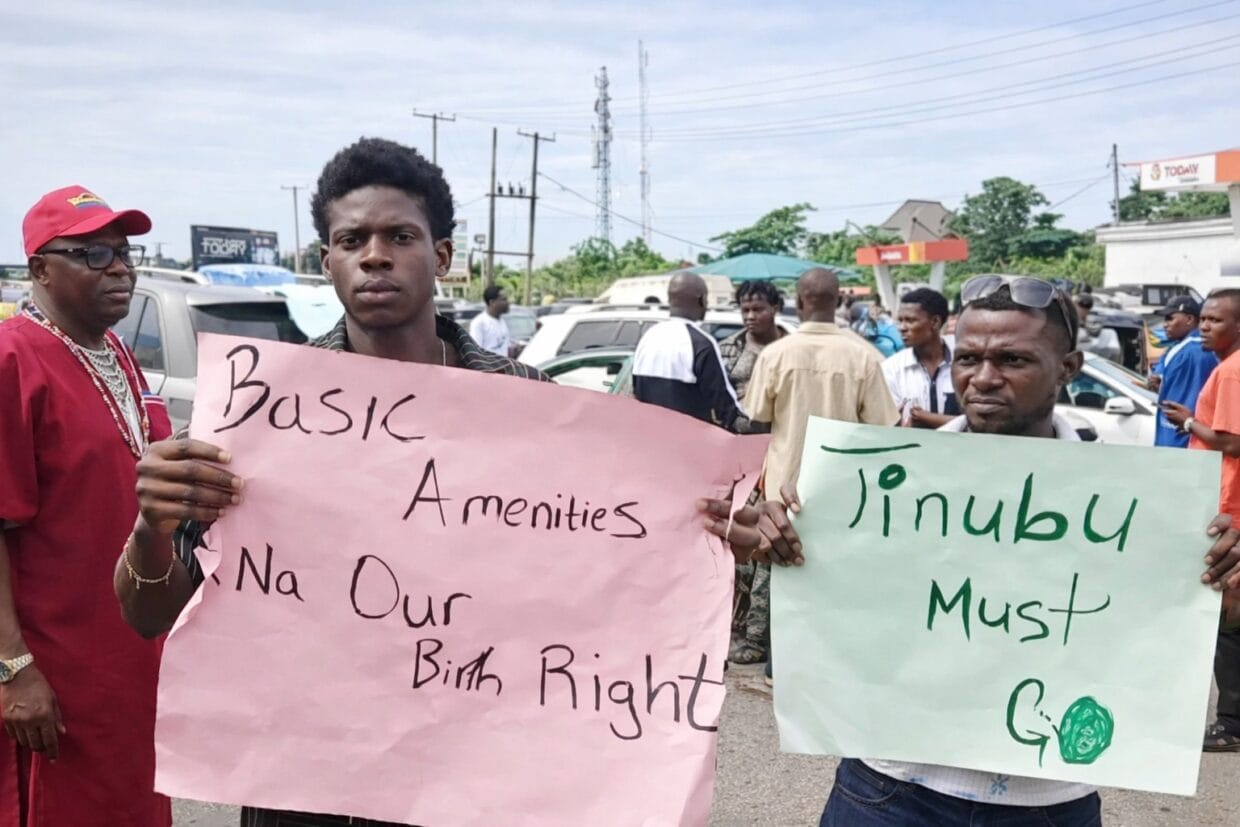
On Wednesday, a protest along the Benin-Lagos road led to a major gridlock, leaving many commuters stranded for hours. The demonstration, driven by rising petrol prices, increasing cost of living, and worsening economic conditions, disrupted movement and forced many people to abandon their vehicles and continue their journey on foot.
But beyond the traffic and the disruption, there’s something deeper this moment reveals.
There’s a kind of frustration that doesn’t come all at once. It builds slowly, quietly, in the background of everyday life. You feel it in small moments first, when transport fares suddenly increase, when food prices no longer match your budget, when basic things that should be stable start to feel uncertain.
At first, people adjust.
They cut back.
They manage.
They tell themselves it will get better.
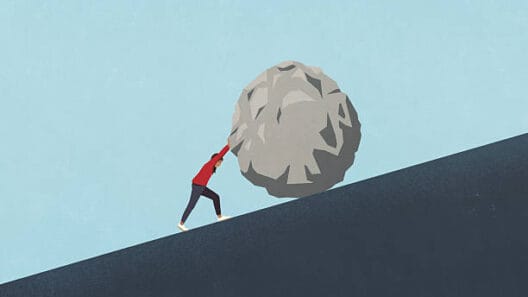
But adjustment has a limit.
With the Benin-Lagos road protest, what we’re seeing is not just a reaction to one issue. It’s the result of many pressures coming together at once. The rising cost of fuel affects transportation. Transportation affects food prices. Food prices affect daily survival. And before long, everything begins to feel connected in a way that makes life harder than it should be.
You could almost picture it. Someone is calculating how much they have left after paying for transport. Someone else is standing at a food stall, quietly removing items because the total has gone too high. Another person is thinking about how to stretch what’s left until the next income comes in.
These moments don’t trend. They don’t make headlines. But they add up.
So when something like the Benin-Lagos road protest happens, it’s not just about what people are saying in that moment. It’s about everything they’ve been feeling long before that moment arrived.
And maybe that’s the part we don’t talk about enough.
We see the blocked road.
We hear about the gridlock.
We talk about the inconvenience.
But we don’t always stop to consider the weight behind it.
Because the truth is, people can endure a lot. Nigerians are known for adapting, for pushing through, for finding a way even when things are not easy. But even endurance has its breaking point.
And when that point is reached, it doesn’t always come out quietly.
It shows up like this.
The Benin-Lagos road protest is not just a moment of disruption. It’s a reflection of something deeper — a sign that people are getting tired of constantly adjusting to situations that keep getting harder.
Not because they want to cause inconvenience, but because the pressure has been building for too long.
And maybe instead of only asking why this happened, we should start asking a more important question.
How long have people been holding all of this in?
It gets better, right?
Wishing you well…