






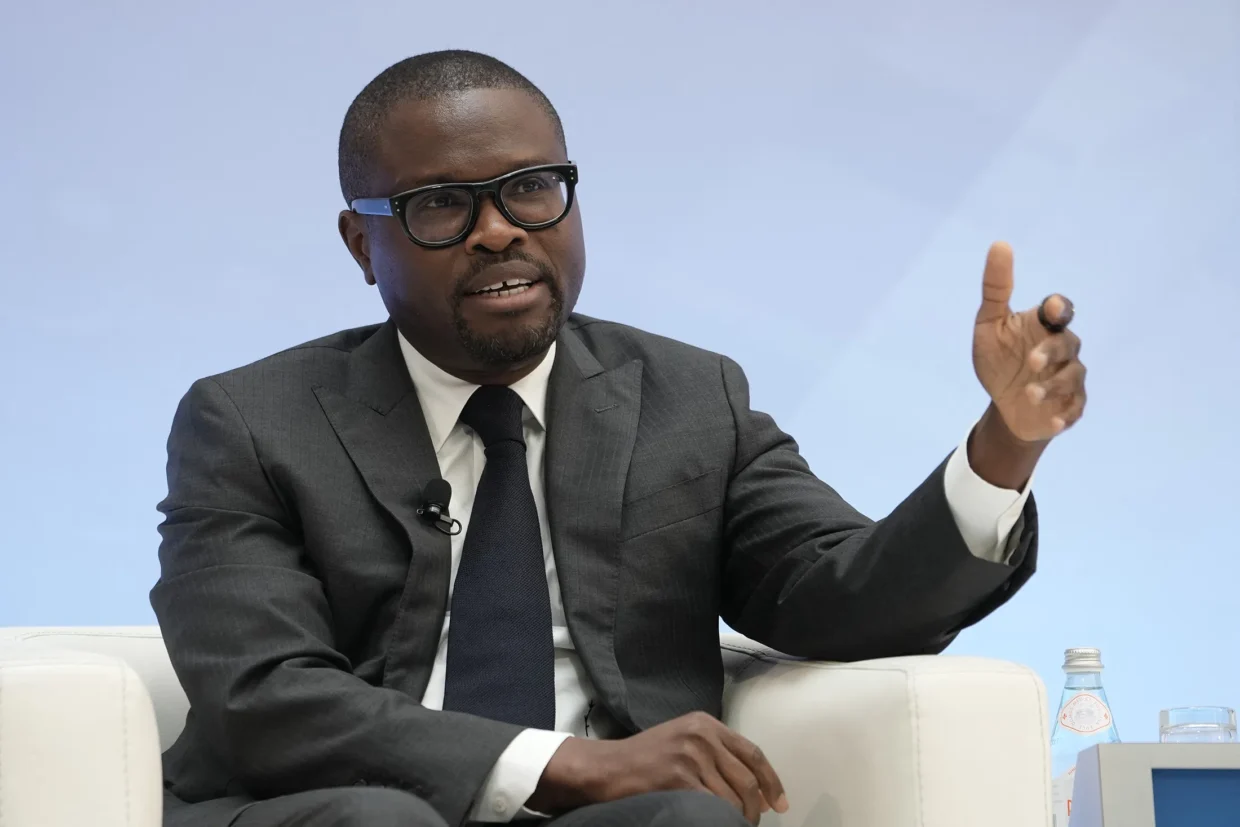
Benin is entering a new phase, and for many, it feels like a moment that reflects both continuity and cautious hope. Following the presidential election held on April 12, 2026, the country now has a president-elect in Romuald Wadagni, a familiar figure who has spent years shaping the nation’s economic direction.
Preliminary results released by the Autonomous National Electoral Commission (CENA) on April 13 show Wadagni securing an overwhelming 94 percent of the vote. If confirmed by the Constitutional Court, he will step into office as the successor to Patrice Talon, who is set to leave after completing his second constitutional term.
The election itself saw a turnout of about 58.75 percent, with more than 4.2 million ballots cast in favor of the winning ticket. Wadagni ran under the banner of the ruling coalition, backed by the Progressive Union for Renewal and the Republican Bloc, signaling strong institutional support and a continuation of the current political structure.
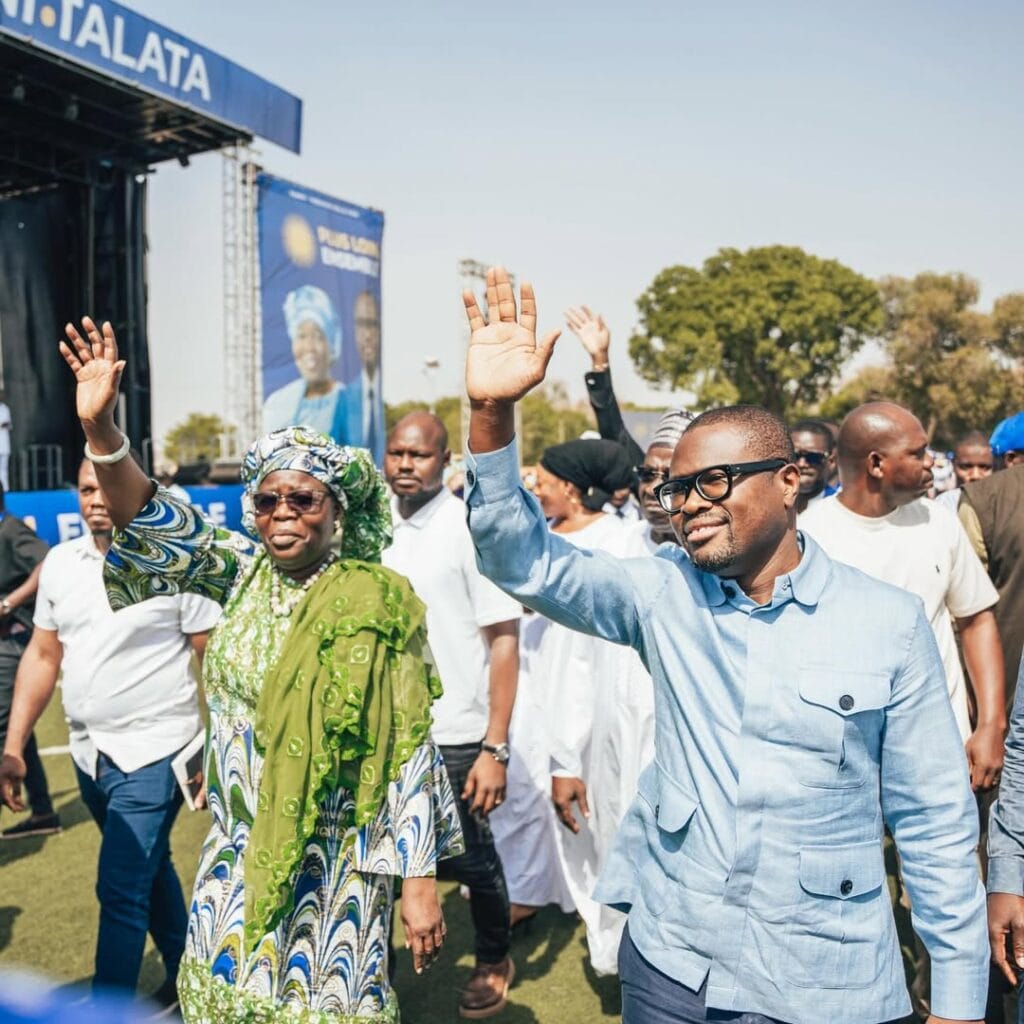
By his side is Mariam Chabi Talata Zimé Yerima, who is expected to remain Vice-President if the results are officially upheld. Her presence on the ticket carries its own weight. A former teacher and philosopher, she made history in 2021 as Benin’s first elected female Vice-President, and her return reflects a sense of stability and continuity for the administration.
The race was not without opposition. Paul Hounkpè of the Cowry Forces for an Emerging Benin stood as the main challenger. At 56, the former Culture Minister secured 5.95 percent of the vote. Shortly after the preliminary results were announced, he conceded defeat, offering what he described as “republican congratulations” while urging citizens to embrace unity.
Wadagni’s journey to this point has been closely tied to Benin’s economic story over the past decade. Since April 2016, he has served as Minister of Economy and Finance, playing a central role in reforms aimed at strengthening the country’s financial systems and attracting foreign investment. With academic roots from both Harvard University and the University of Grenoble, his profile blends technical expertise with political experience.
During his campaign, he focused on issues that go beyond numbers and policy documents. He spoke about strengthening security in response to regional insurgencies and expanding access to healthcare, touching on concerns that directly affect everyday life. After the vote, his message to supporters reflected a sense of responsibility shaped by his previous role. He noted that he had managed one of the country’s most valuable assets, its finances, and promised to govern with the same seriousness and dedication while prioritizing inclusive growth.
As Benin awaits the Constitutional Court’s final confirmation, the mood is one of transition rather than upheaval. Wadagni is expected to continue existing development programmes while gradually shaping his own leadership identity. What happens next will depend not just on policies, but on how well those promises translate into real impact for the people.
It is one thing to win an election so decisively, but it is another to carry the weight of expectation that comes with it. For Benin, this moment is not just about a new president. It is about what kind of future leadership will help create.