









Relationships don’t fall apart because people stop loving each other. They often fall apart because people stop understanding each other. And that’s where emotional intelligence quietly becomes the unsung backbone of every strong relationship. It is the ability to feel, interpret, and respond — not just to your own emotions, but to the emotions of someone you care about. When two people learn to navigate each other’s hearts with awareness instead of assumptions, something beautiful begins to grow.
Emotional intelligence in relationships starts with self-awareness. You cannot love someone well if you don’t understand what moves you, triggers you, or softens you. Many conflicts between couples are not really about “the issue.” They are about unmanaged emotions, unspoken fears, or wounds from the past that show up dressed as anger or silence. When you can pause long enough to ask yourself, “Why am I really reacting this way?” you give your relationship a chance to breathe instead of break.
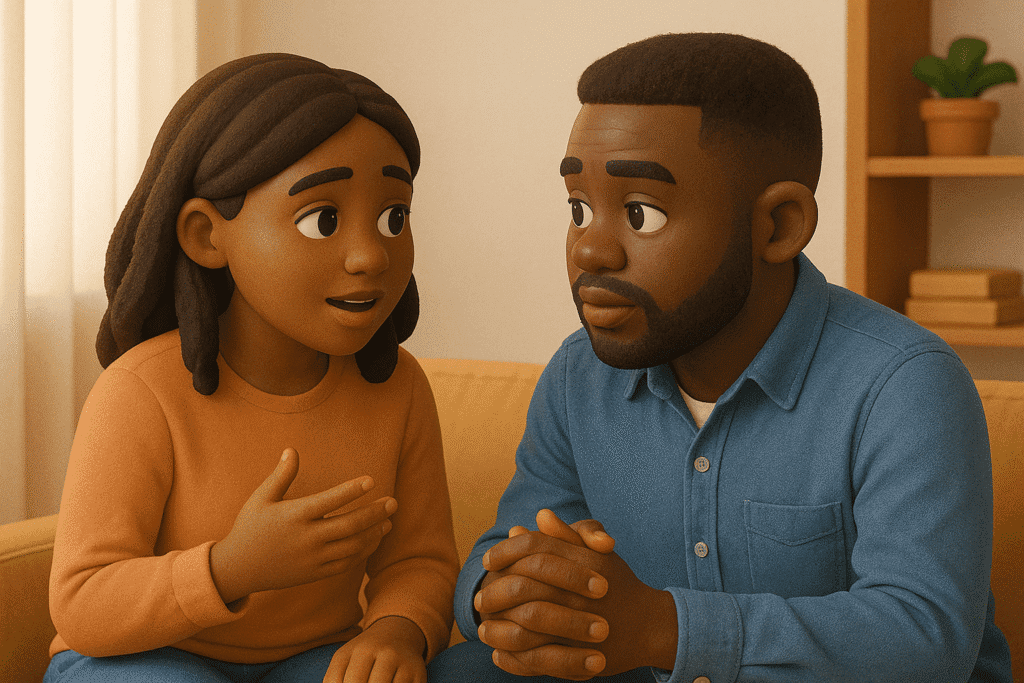
But emotional intelligence is more than just understanding yourself. It is also empathy — the ability to step into another person’s world without judgment. It’s the gentle art of listening beyond words, hearing the tremble behind “I’m fine,” noticing the distance behind their smile, or recognizing when they’re overwhelmed even if they don’t say it. A relationship where both people feel seen is a relationship that feels safe. And safety, more than romance, is what creates a lasting connection.
Communication becomes lighter and more meaningful when emotional intelligence is present. Instead of speaking to win, you speak to understand. Instead of reacting quickly, you respond intentionally. You begin to choose peace over pride and clarity over ego. What once triggered arguments now becomes an opportunity to learn each other better. The relationship stops feeling like a battlefield and starts feeling like a partnership.
Emotional intelligence also teaches patience. People are not perfect, and love isn’t either. There will be misunderstandings, off days, and moments when you worry you’re not enough. But emotionally intelligent partners don’t rush to conclusions or punish each other for being human. They lean in. They ask questions. They clarify. They give space when needed and offer presence when it matters the most. They love with awareness instead of impulse.
And then there’s accountability, one of the hardest but most beautiful parts of emotional intelligence. It means admitting when you hurt your partner, even unintentionally. It means saying “I’m sorry” without excuses, learning from it, and doing better. Accountability strengthens trust because it shows that the relationship matters more than ego. When both partners embrace it, healing becomes easier, and conflicts lose their power.
Ultimately, emotional intelligence turns relationships into a safe place to grow. It allows two imperfect people to understand each other deeply, communicate honestly, and choose each other consistently. It transforms love from something you feel into something you build every day with intention.
Because at the end of the day, relationships thrive not because two people love perfectly, but because they love intelligently. And when you bring emotional intelligence into your relationship, you’re not just choosing love, you’re choosing connection, clarity, and growth.