









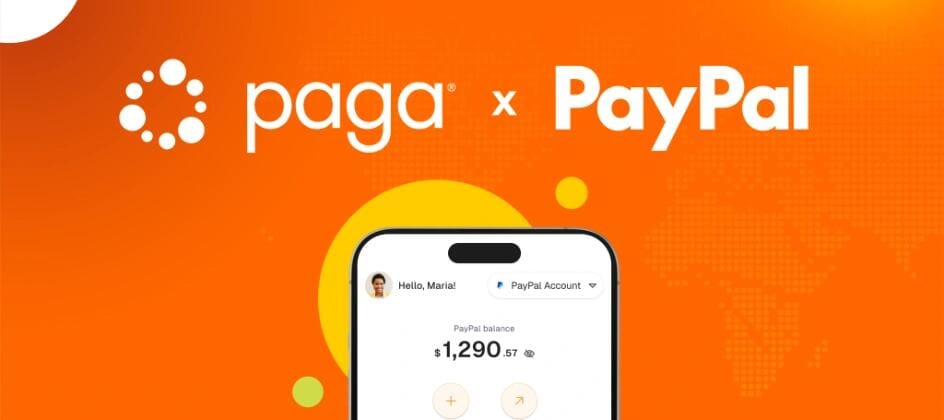
For nearly two decades, PayPal was one of the most talked-about names in global digital payments — except for Nigeria. While the platform thrived around the world, Nigerians faced a frustrating reality: you could send money out of Nigeria with PayPal, but you couldn’t receive or fully access it locally. That changed in January 2026, when PayPal announced a long-awaited return — this time through a partnership with Nigerian fintech Paga.
What the Partnership With Paga Means
The new agreement means that Nigerian users can finally link their PayPal accounts to their Paga wallets, receive payments from abroad, convert those funds into naira, and withdraw them locally — something that wasn’t possible before. For freelancers, online entrepreneurs, and businesses that rely on international clients, this appeared to be a big win.
PayPal’s decision to re-enter Nigeria by collaborating with a homegrown company like Paga demonstrates how global and local fintech players can work together. Instead of building their own infrastructure from scratch, PayPal is piggybacking on Paga’s existing network of wallets and compliance systems to make services work smoothly for Nigerians.
So, Why Are Some Nigerians Rejecting It?
Instead of celebrating the return, many Nigerians took to social media and online forums to voice deep frustration. Here’s a breakdown of the main reasons:
1. Old Wounds Haven’t Healed
For many digital workers and businesses in Nigeria, the memory of lost money, frozen PayPal accounts, and blocked earnings still stings. When PayPal limited Nigerian users to only outbound payments decades ago, a whole generation of freelancers was cut off from earning opportunities. That exclusion left lasting resentment toward the platform.
2. “Too Little, Too Late?”
Some commentators argue that Nigerians didn’t need PayPal back then — local fintech solutions like Paystack, Flutterwave, Raenest, and Paga itself already began solving the problem on their own. To these critics, PayPal’s return feels like a late attempt to tap into a market that Nigerians have already built for themselves.
3. Early Technical Problems Sparked Backlash
In some reports, users said that right after the relaunch, they experienced familiar issues: account verification failures, account locks, and funds held unexpectedly — patterns many Nigerians had seen before. Instances like these reignited distrust and fed into the narrative that PayPal hasn’t learned from past mistakes.
4. The Fintech Pride Factor
There’s also a sense of national pride at play. Many young Nigerians see the rise of local fintech as proof that Nigeria doesn’t need to rely on foreign companies. For them, PayPal’s return feels like an outsider taking a shortcut back into a market that has proven it can innovate on its own.
What This Means for the Future
PayPal’s return could still be a game-changer if the company can build trust and demonstrate real benefits that go beyond what local fintech already offers. For freelancers chasing international clients, having PayPal — one of the most widely accepted global payment methods — may still open doors previously closed.
But the backlash reveals something bigger: Nigerians no longer just want global tools. They want tools that respect them, work well, and don’t reintroduce old problems. PayPal’s challenge now is to prove that its second chance is earned — not entitled.