







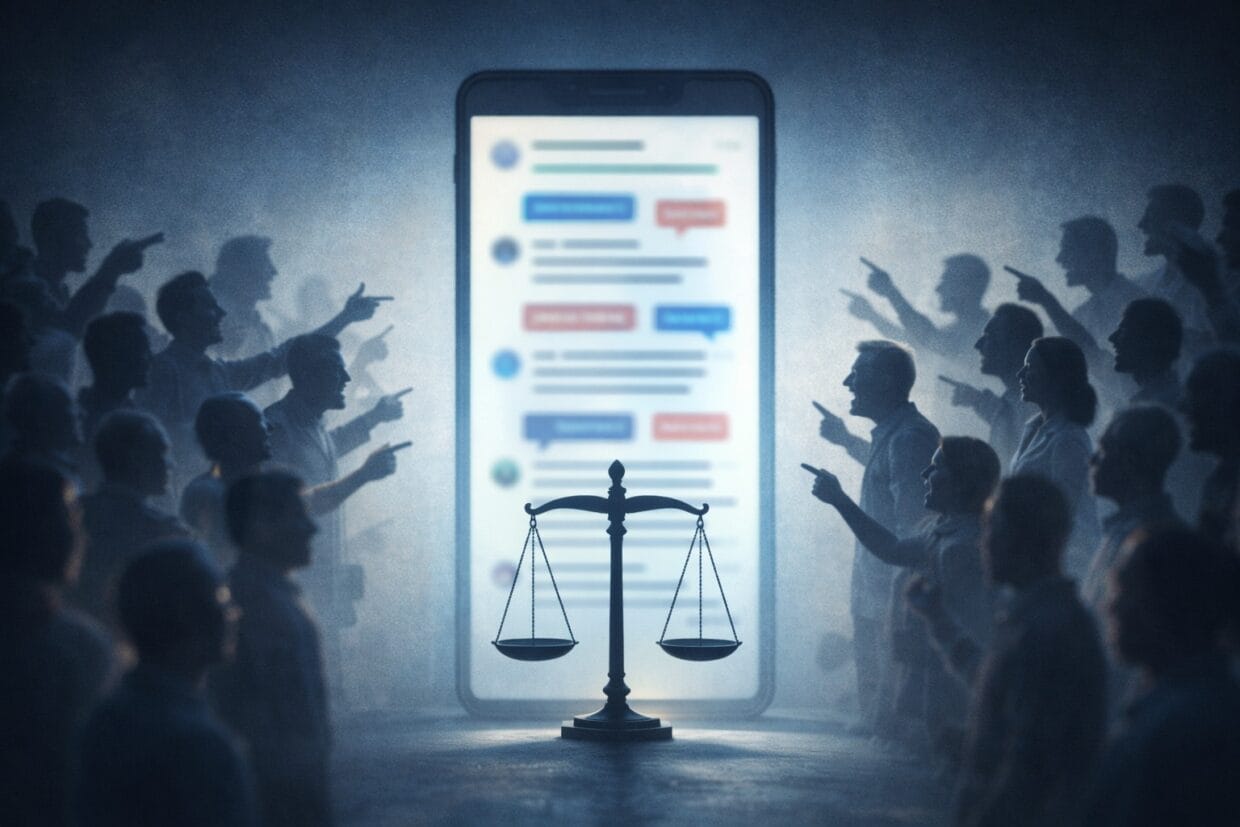
In recent weeks, social media has been flooded with intense conversations about rape allegations, public accusations, and later retractions. Accusations now spread at the speed of a repost, often reaching thousands of people before any formal investigation begins. Names trend. Screenshots circulate. Opinions form quickly. In many cases, the internet becomes a courtroom long before institutions are involved.
One recent situation at Obafemi Awolowo University (OAU) brought this issue back into focus. A 200-level student was publicly accused online and labelled with serious allegations after he reportedly shared comments about false rape accusations. According to posts that circulated widely, his private contact details were shared, leading to harassment and significant backlash. The matter was later taken to school authorities, and reports indicate that the accuser eventually retracted the claim and issued an apology. The development triggered renewed debate about responsibility, consequences, and the power of online narratives.
When allegations go public and later change, the impact does not simply disappear. Reputations may already be damaged. Mental health may already be affected. Families and friends may already be dragged into public scrutiny. Even if a clarification follows, the digital footprint often remains permanent.
This is why accountability is such a delicate but necessary part of the conversation. Sexual violence is a serious issue that deserves urgency and compassion. For years, many survivors struggled to be heard or believed, and that history explains why public sympathy often leans toward listening first. Creating a society where victims feel safe to speak up remains important.
At the same time, allegations carry enormous weight. An accusation alone can influence someone’s academic path, career opportunities, and social standing. If an allegation is deliberately fabricated or recklessly shared without basis, it also represents harm. Justice cannot operate in one direction alone. Accountability must apply wherever harm is proven.
However, balance is essential. The existence of false accusations does not invalidate the reality of genuine sexual assault cases. Research globally shows that false reports are not the majority of cases, but when they occur, they can cause serious damage. A responsible conversation must acknowledge both truths without turning the issue into a gender conflict.
The larger concern may be the role of social media itself. Platforms reward speed and outrage, not patience and investigation. Once a name trends, public perception hardens quickly. Retractions and apologies rarely receive the same attention as the original allegation.
This is not about silencing women. It is not about protecting criminals. It is about protecting the truth. A society that values justice must protect genuine survivors while also ensuring that accusations are handled responsibly and investigated thoroughly. Both principles can coexist without cancelling each other out.
Justice is strongest when it protects everyone. In an era where reputations can be shaped or shattered in minutes, responsibility must move as quickly as outrage.