






If you have been seeing videos, photos, and conversations online about the Argungu Fishing Festival, you are not alone. There is something about this festival that instantly grabs attention, especially now when more young Nigerians are beginning to reconnect with culture in a deeper, more intentional way.
The Argungu Fishing Festival is not a new event. It dates as far back as 1934 and takes place in the ancient town of Argungu in Kebbi State. Yet despite its long history, it continues to feel fresh, powerful, and almost unreal when you see it happen. For days, the town comes alive with wrestling contests, cultural dances, traditional music, and colourful displays of heritage. But everything builds up to one defining moment that sets Argungu apart from every other festival in the country.
That moment is the fishing contest.
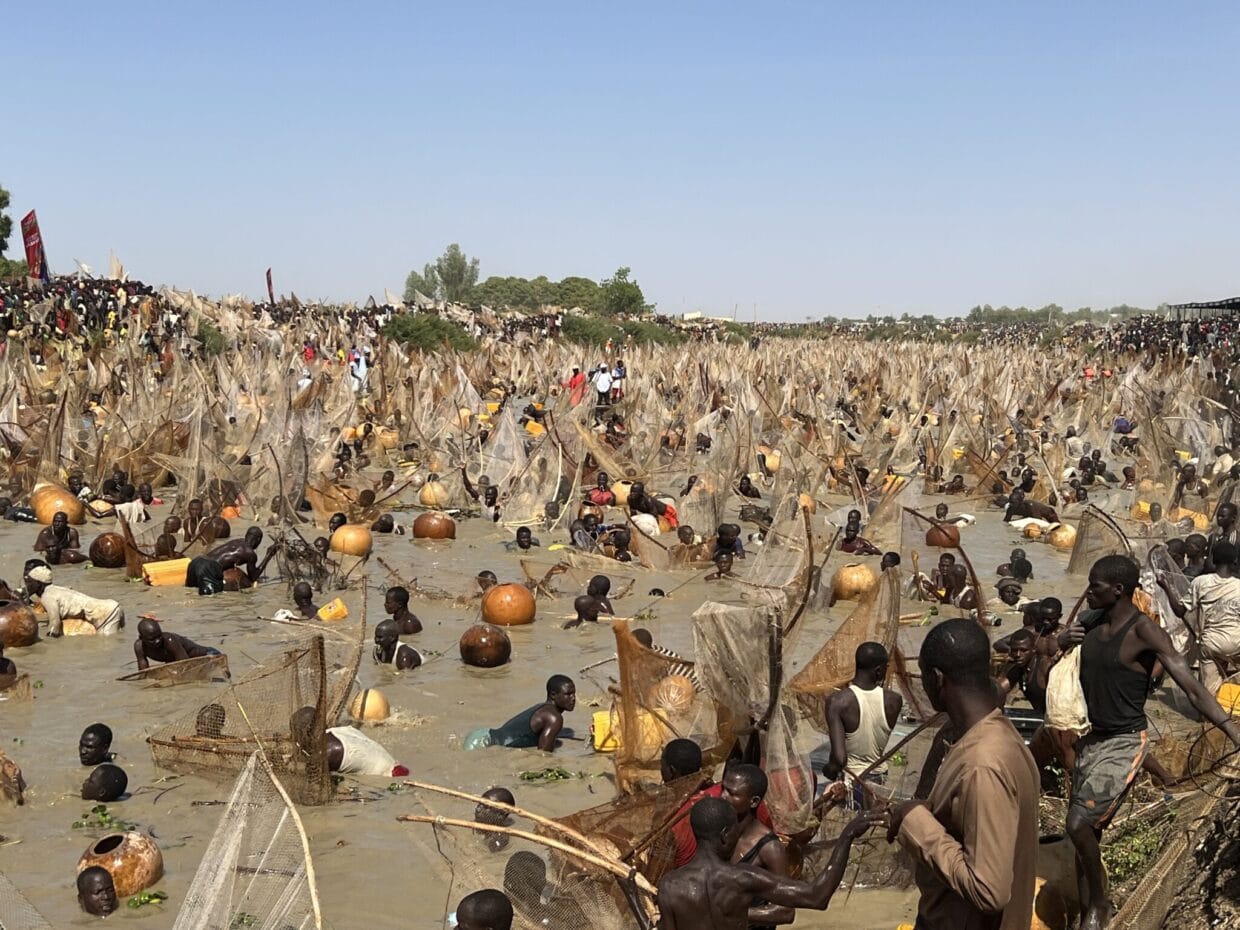
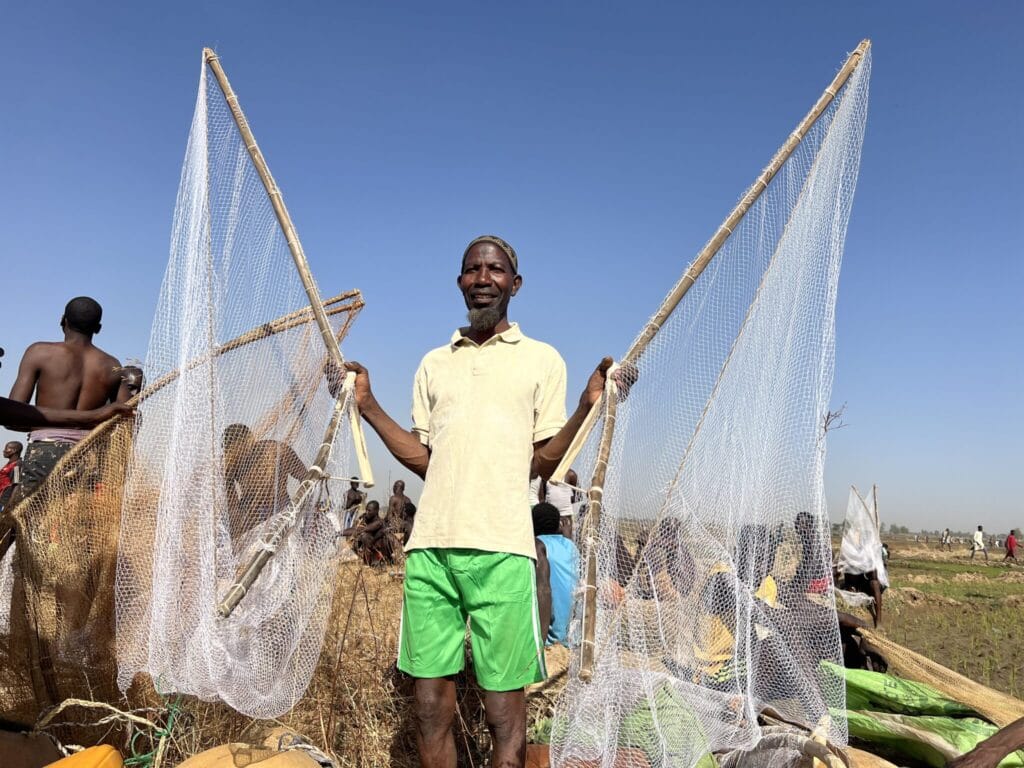
Thousands of fishermen storm the Matan Fada River at once, armed with only traditional fishing tools. No modern fishing rods. No shortcuts. Just skill, strength, and timing. The river itself is kept closed for an entire year and opened only once for the festival, making the experience even more intense. When the signal is given, the sight of men diving into the water together is both chaotic and breathtaking. Whoever emerges with the biggest fish wins, earning not just prizes but instant recognition and respect.
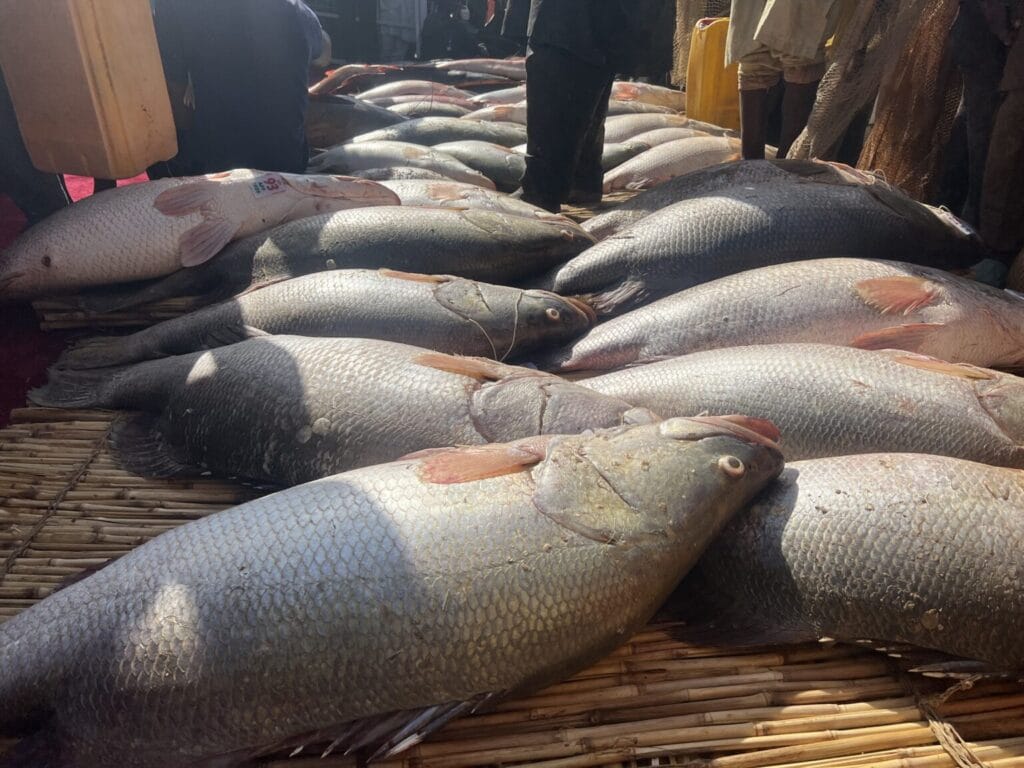
This year’s edition carried even more meaning. After a six-year break caused by security challenges in the state, the festival returned stronger, supported by improved security and renewed government backing. The comeback alone made it historic. When Abubakar Usman caught the largest fish weighing 59 kilograms, it felt like a moment of collective celebration. His reward of one million naira and a vehicle was significant, but the pride attached to winning was even bigger.
Part of why the Argungu Fishing Festival is trending again is the wider cultural awakening happening across Nigeria. Young people are paying closer attention to traditions and festivals like the Ojude Oba Festival, the Eyo Festival, and now Argungu. There is a growing curiosity about identity, roots, and stories that existed long before social media. Argungu fits perfectly into this moment because it is raw, communal, and deeply symbolic.
Beyond competition, the festival represents peace, unity, and continuity. It shows how culture can survive time, conflict, and change. It reminds Nigerians that traditions are not just performances for tourists but living expressions of who we are and where we come from.
So when people ask what is so special about the Argungu Fishing Festival, the answer goes beyond fish and prizes. It is special because it brings history into the present, turns culture into a shared experience, and proves that some traditions are powerful enough to keep the whole world watching, year after year.